The Stress Threshold: How Small Daily Pressures Accumulate Into Burnout

You might not realize it, but your daily coffee spill, that delayed email response, and your commute traffic are slowly chipping away at your mental well-being. These micro-stressors seem harmless individually, but they're secretly building up inside your system like water filling a dam.
This guide is for working professionals, caregivers, and anyone feeling mysteriously drained despite not facing any major life crises. You know something's off, but you can't pinpoint exactly what's causing your growing irritability and exhaustion.
We'll explore how micro-stressors silently damage your well-being by keeping your stress response system constantly activated. You'll discover the biological process behind stress accumulation and why your body treats a missing parking spot the same way it treats a real emergency. Finally, you'll learn proven strategies to break the stress accumulation cycle before it pushes you over your stress threshold into complete burnout.
The truth is, your brain can't tell the difference between big and small stressors - it just knows you're under pressure. Understanding this process is your first step toward protecting yourself from the cumulative stress damage that's happening right now.
Understanding How Micro-Stressors Silently Damage Your Well-Being
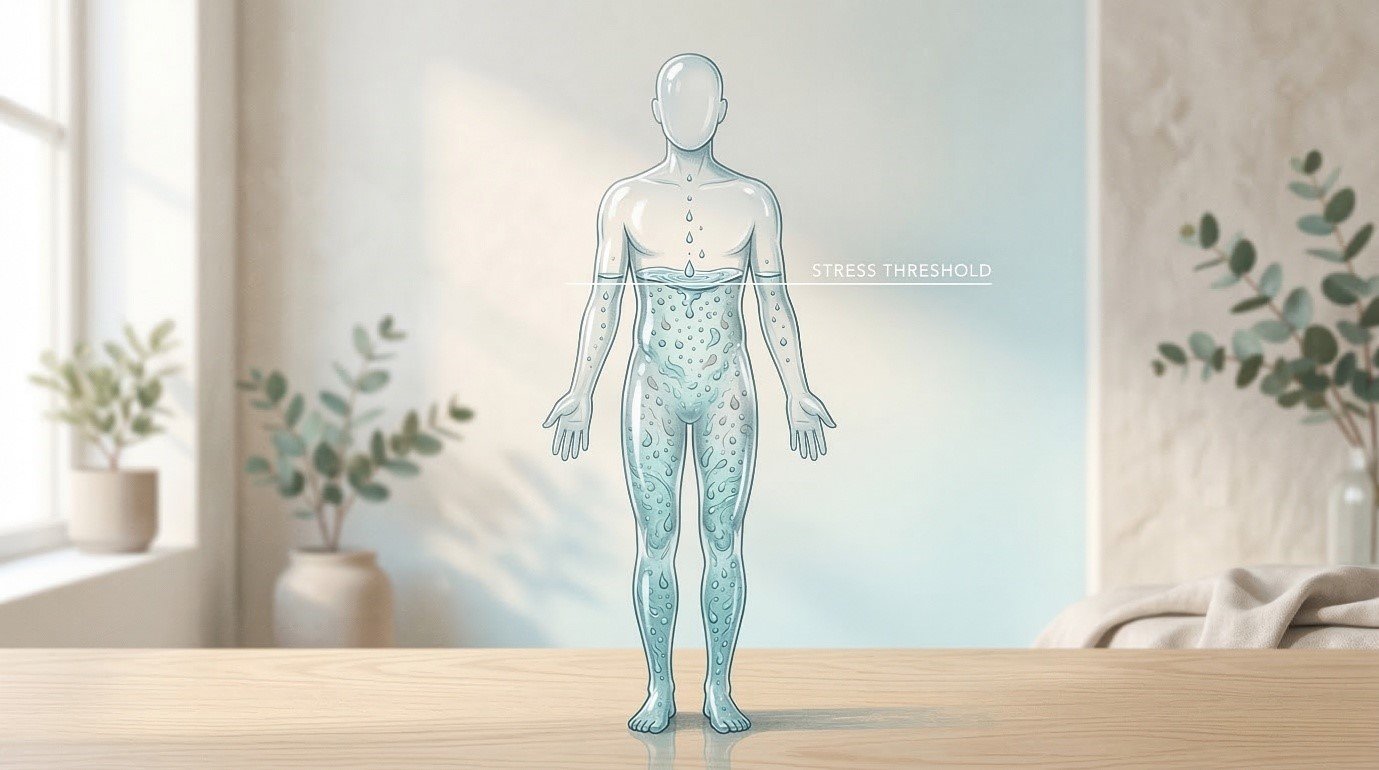
Why small daily pressures seem harmless but accumulate into serious health problems
Your daily micro-stressors may appear insignificant individually, but research reveals they explain approximately 18-22% of mental distress variance. These life annoyances create the same physical damage as major traumas, including high blood pressure and disrupted sleep patterns, making stress accumulation a serious health concern.
How your brain and body continuously react to minor stressful events
Your body doesn't distinguish between small and large stressors when triggering stress responses. Each confrontational discussion with colleagues, disappointing family behavior, or unmet promise activates your stress system. The frequency and perceived severity of these micro-stressors significantly correlate with higher psychological distress levels, creating cumulative burden that your system cannot easily process or release.
The hidden emotional toll of unresolved daily irritations and bad moods
Your closest relationships often generate the most damaging micro-stressors since these disruptions are embedded in your daily routine. Unlike major stressors that your mind can identify and address, these minor irritations remain largely unrecognized yet continuously erode your mental wellbeing. The severity of daily micro-stressors actually influences your distress levels more than macro-stressors, demonstrating their substantial hidden impact on your emotional health.
The Biological Process Behind Stress Accumulation
How your stress response system triggers constant cortisol releases
When you experience any stressor, your hypothalamus immediately activates the hypothalamic-pituitary-adrenal (HPA) axis, signaling your adrenal glands to release cortisol and adrenaline. This intricate neuroendocrine system governs your stress response and maintains homeostasis throughout your body. However, chronic stress causes your HPA axis to become hyperactive, leading to excessive cortisol production that disrupts your body's natural circadian rhythm and creates a state of constant physiological alertness.
Why reduced recovery time prevents your body from returning to baseline
Your cortisol levels naturally fluctuate throughout the day, typically peaking in the morning and declining by evening. When daily stressors accumulate without adequate recovery time, your stress response system cannot return to its baseline state. This chronic activation prevents your body from completing its natural stress recovery cycle, keeping your cortisol levels persistently elevated and disrupting essential functions like digestion, reproduction, and immune response that normally operate during calm periods.
Recognizing the Warning Signs Before Complete Burnout

Early indicators of chronic stress affecting memory, concentration and emotional control
When chronic stress begins to accumulate, your cognitive abilities become the first casualties. You'll notice unfocused or cloudy thinking making it difficult to concentrate on tasks that once seemed effortless. Your memory may start failing you in subtle ways, and you'll find yourself struggling to maintain emotional control during everyday interactions.
Physical symptoms that signal your immune and endocrine systems are weakening
Your body provides clear warning signs when stress accumulation reaches dangerous levels. You'll experience persistent aches and pains throughout your body, along with significant changes in your sleep patterns—either insomnia or excessive sleepiness. Your appetite will shift dramatically, and you may notice increased susceptibility to illness as your immune system weakens under prolonged stress hormone exposure.
Why fatigue and irritability appear suddenly after months of gradual decline
The sudden onset of overwhelming fatigue and irritability occurs because chronic stress slowly drains your psychological resources over time. After months of your body maintaining a heightened state of alertness, your endocrine system becomes exhausted from continuously producing stress hormones like cortisol. This creates a tipping point where your energy reserves are completely depleted, leading to the abrupt appearance of severe emotional and physical symptoms that signal you're approaching complete burnout.
The Science of Why Small Stressors Have Major Impact

How your brain perceives minor and major problems as equal threats
Your brain's amygdala cannot distinguish between genuine life-threatening situations and minor daily stressors like traffic jams or work deadlines. When you encounter any stressor, your amygdala instantly sends distress signals to the hypothalamus, triggering the same fight-or-flight response whether you're facing an oncoming car or a difficult email. This evolutionary survival mechanism treats all perceived threats equally, flooding your system with stress hormones like epinephrine and cortisol.
Why oxidative stress builds up and reduces your energy production efficiency
The constant activation of your stress response system keeps your HPA axis running like a motor idling too high. Persistent epinephrine surges damage your blood vessels while elevated cortisol levels create physiological changes that deplete your body's energy stores. Your brain's prefrontal cortex, which relies on working memory for decision-making, loses synaptic connections between neurons under chronic stress accumulation, directly reducing your cognitive efficiency and problem-solving abilities.
Proven Strategies to Break the Stress Accumulation Cycle

Creating structured morning routines and evening decompression practices
Now that we understand how stress accumulates throughout your day, establishing structured routines becomes crucial for breaking the stress cycle. Your morning routine should focus on physical activity, as almost any form of exercise can pump up feel-good endorphins and refocus your mind on your body's movements. This helps the day's irritations fade away before they build up.
Managing digital stimulation and scheduling mandatory recovery time
Your evening decompression practice should include meditation, which can give you a sense of calm and balance by focusing your attention and quieting jumbled thoughts. You can practice guided meditation, mindfulness, or visualization anywhere at any time. Additionally, maintaining healthy boundaries by learning to say no and delegating tasks helps manage your stress levels and prevents inner conflict that leads to resentment.
Supporting your body's stress adaptation through proper nutrition and sleep timing
Previously, I've mentioned how micro-stressors damage well-being, so supporting your body's adaptation requires proper nutrition and sleep timing. Eating many fruits, vegetables, and whole grains while avoiding excessive caffeine provides your body with stress-fighting nutrients. Most adults need 7 to 9 hours of sleep nightly, and creating a quiet, relaxing bedtime routine with soothing music and cool, dark environments helps your brain and body recharge effectively.
The small daily pressures you face aren't as harmless as they appear. From work demands to digital overwhelm, these micro-stressors quietly activate your stress response system, keeping cortisol levels elevated and shrinking your natural recovery windows. Over time, your body's resources become depleted, leading to irritability, fatigue, and eventually complete burnout. The warning signs—disappearing patience, persistent bad moods, and declining concentration—often go unnoticed until your resilience finally runs out of margin.

Breaking the stress accumulation cycle requires intentional daily action. Start with a positive morning routine, take regular digital breaks, and schedule recovery time like important appointments. Maintain consistent sleep patterns and create evening decompression routines that allow your body to truly restore. Remember, stress rarely destroys resilience overnight—it erodes quietly. By supporting your stress adaptation daily through proper nutrition, movement breaks, and boundaries, you can rebuild your capacity and prevent small pressures from becoming overwhelming burdens.